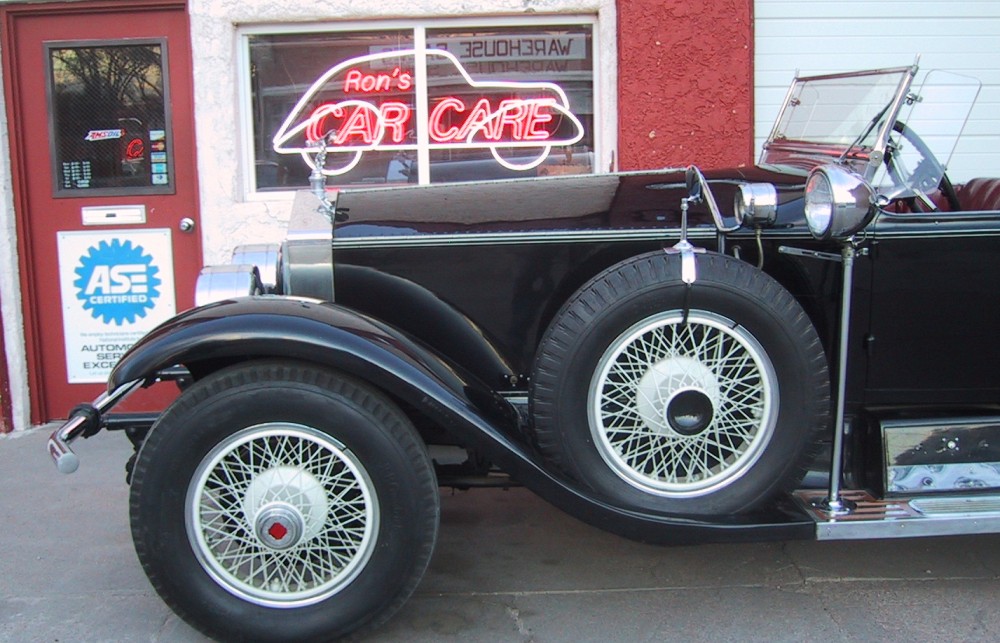
After a long hiatus, I’ve finally found the motivation to return to my blog. Most readers might not know about my connection to the Forney Museum of Transportation in Denver, Colorado—I serve on its Board of Directors. Like many nonprofit organizations, the museum continuously faces the challenge of securing funding. With the reduction or elimination of many grants and government programs, fundraising has become even more difficult.
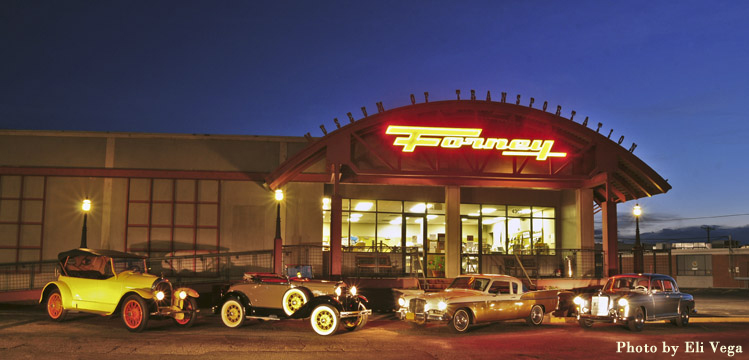
Personally, I’ve never been fond of the “ask your friends and family” fundraising approach. We’ve all encountered sweepstakes as a fundraising tool, but I recently discovered a unique platform that caught my attention. What makes it stand out? It was created by a nonprofit specifically for nonprofits. To participate, organizations must undergo a vetting process and demonstrate that they’ve held valid 501(c)(3) status for at least a year.
Another feature I appreciate is its transparency—you can see the exact amount raised each time you visit the page. That kind of visibility builds trust and accountability, something I believe is vital for meaningful support. Check it out at http://Forneysweeps.org
The Forney Museum of Transportation is home to an extraordinary collection that spans centuries of innovation and craftsmanship. Highlights include the legendary Union Pacific ‘Big Boy’ Steam Locomotive #4005, Amelia Earhart’s stunning 1923 Kissel ‘Gold Bug’, a classic Forney Locomotive, and a Colorado & Southern Caboose. From a rare 1923 Hispano-Suiza to a comprehensive Indian Motocycle collection (1913–1953), the museum celebrates the full spectrum of transportation history.
Visitors can also explore a Denver & Rio Grande Dining Car, a vintage Stutz Fire Engine, an 1888 Denver Cable Car, a 1923 Case Steam Tractor, the early 1817 Draisenne Bicycle, and a 500-piece Matchbox Collection—just to name a few.
But the Forney Museum is more than just remarkable artifacts—it’s a hub for community and education. Initiatives like the Annual Bike Giveaway provide bikes, helmets, locks, and gear at no cost to adults and children in need. Through partnerships with local organizations, we also offer bike repair services and promote cycling safety throughout our community.
To further engage and inspire, we host a monthly educational lecture series that explores the past, present, and future of transportation through interactive dialogue with experts and enthusiasts alike.
By entering our current sweepstakes, you’re not only supporting the development of exhibits and programs that serve our community—you also get a chance to win a truly amazing automobile. It’s a win-win for transportation lovers and changemakers.
Please support us and enter at Forneysweeps.org




 Ron's Car Care LLC